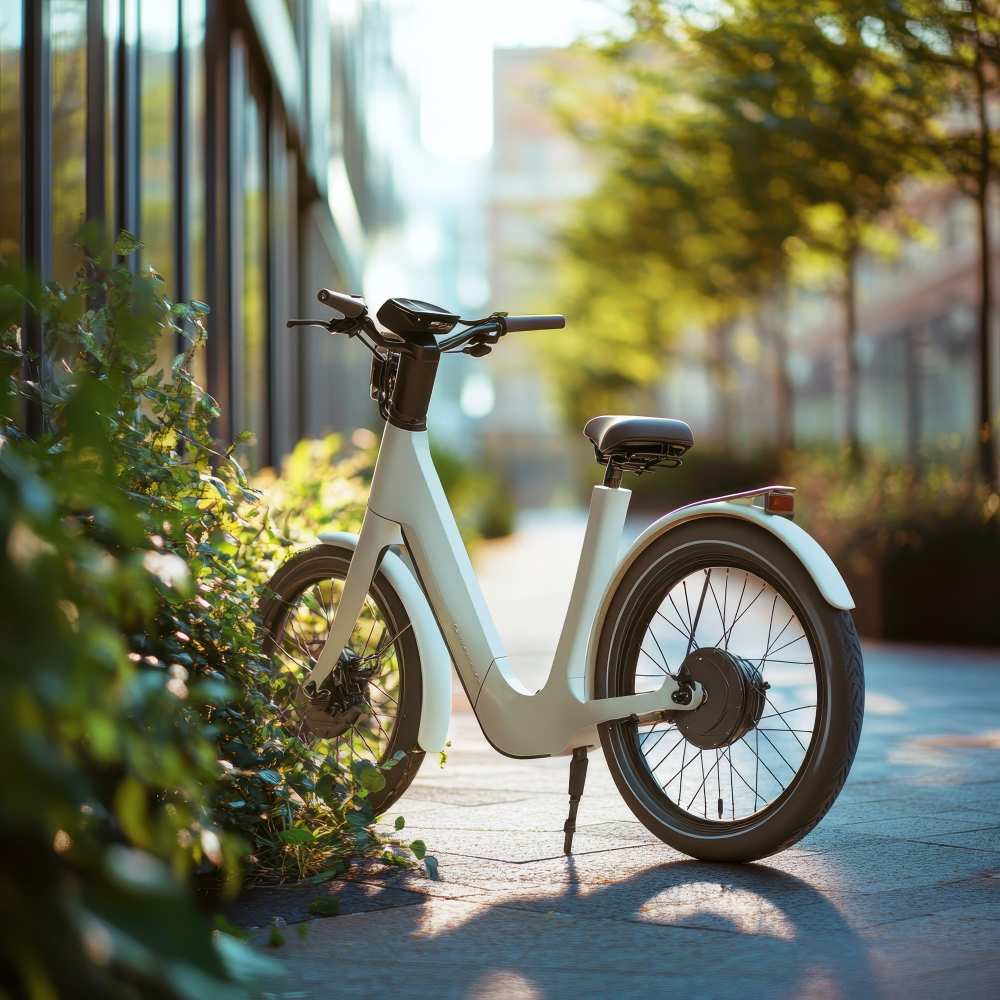
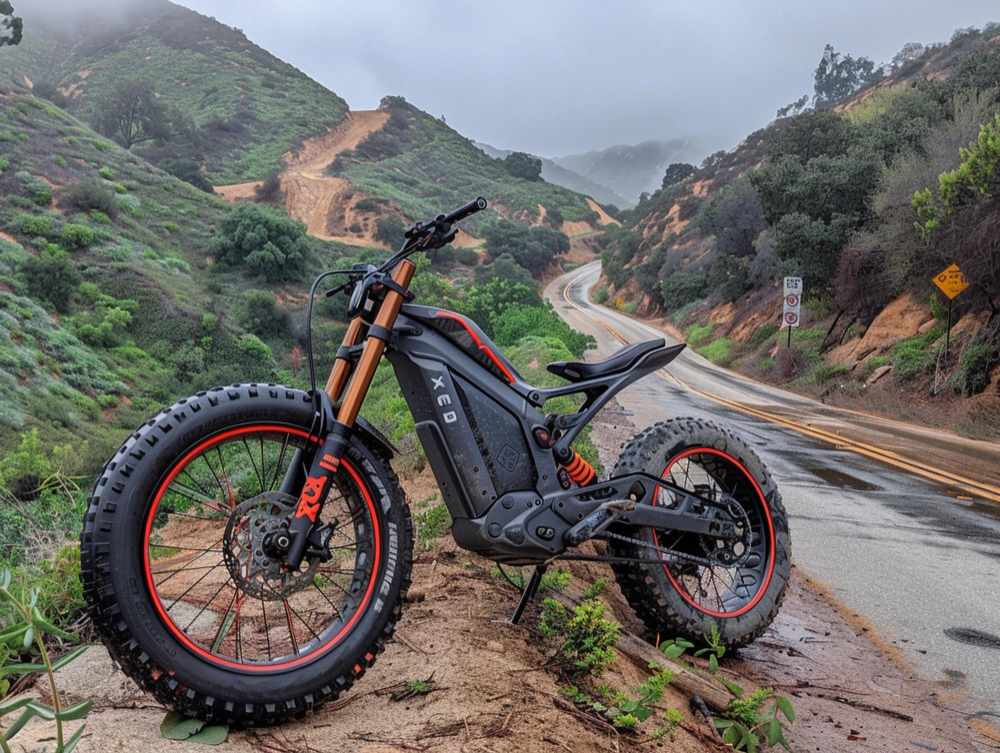
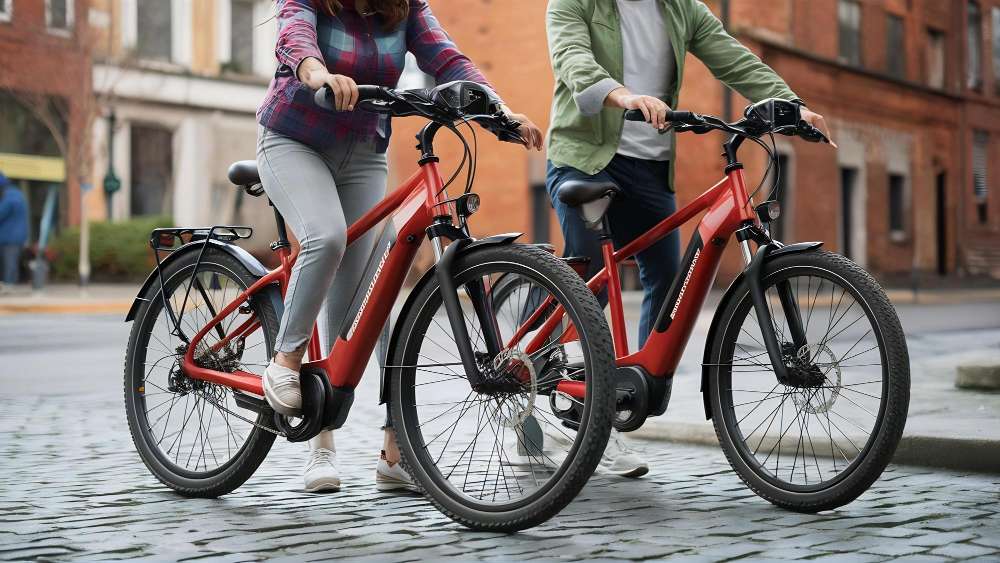
In recent times, the UK government has emphasised the use of electric motorcycles due to technological advancements and growing environmental concerns. As people search for cleaner transportation options, reducing carbon emissions is important, and using electric motorcycles is one way to do so.
Compared with traditional bikes, electric motorcycles are gaining popularity as a cleaner, quieter alternative. Advancements in battery technology and charging infrastructure have also made them more practical for everyday commuting. However, before purchasing one, it is vital to know both the perks and drawbacks of electric motorcycles.
Pros of Using Electric Motorcycles
Electric motorcycles offer several practical and modern benefits, making them an attractive choice for riders. From lower running costs to advanced technology and ecological benefits, they offer features that go beyond those of conventional motorcycles.
Charging Facilities
Over the past few years, the UK government has installed a large number of electric charging stations. People can easily charge their electric motorcycles at these charging stations. This option prompts people to consider switching from traditional bikes to electric motorcycles. People can also charge their lightweight electric motorcycles at home using a household 3-pin plug or a dedicated home charging unit. This flexibility enhances the convenience of electric motorcycles for everyday commuting.
Cost Efficiency
Electric motorcycles offer superior cost efficiency through significantly lower operating expenses. Due to fewer moving parts, these motorcycles have 70-80% lower fuel costs and 50% lower maintenance costs than traditional motorcycles. Riders save money on fuel, oil changes, and other routine servicing. Although electric motorcycles may cost more upfront, they save money on energy and maintenance, making them cheaper in the long run.
Diverse Features
The main benefit of electric motorcycles is that they come in a variety of models. These can include unique and advanced features such as instant-torque electric motors, regenerative braking systems to boost range, and rapid charging. Advanced models also offer app connectivity for performance monitoring, over-the-air software updates, and safety technologies including ABS, traction control, and blind-spot cameras.
Ease of Riding
A beginner may need to spend more time learning to drive. Electric motorcycles do not have a gearbox, so you do not need to shift gears while driving, which reduces your learning time. These motorcycles deliver instant torque for smooth acceleration and a low centre of gravity for better handling. If you learn the basics and traffic rules for electric motorcycles, you will be able to drive on the road very quickly.
Environmentally-Friendly
Compared to traditional motorcycles, electric motorcycles reduce tailpipe emissions and are more energy-efficient. These bikes play a key role in improving air quality by lowering carbon footprints in urban areas. Plus, the electric motorbikes produce 40-60 dB, which makes them ideal for noise reduction. Many models include regenerative braking systems that convert kinetic energy (K.E) back into electricity to recharge the battery while decelerating.
Smart Electronic Controls
The motor controller of electric motorcycles serves as the brain of E-bikes, responsible for managing the battery, throttle, pedal sensors, and motor. The motor controller determines when to start, how to control the running speed, and when to stop. The controller regulates the amount of electric current and voltage delivered to the motor, ensuring smooth acceleration and safe operation. With these benefits, you can ride smoothly, safely, and with perfect balance.
Cons of Using Electric Motorcycles
Electric motorcycles have many drawbacks that riders should carefully consider before purchasing. Understanding these limitations can help you decide whether an electric motorcycle truly fits your needs and lifestyle.
Limited Range
Electric motorcycles have a limited range per charge, which can cause psychological stress for riders. Although battery technology has improved, most electric bikes still offer less range than gas-powered motorcycles. Riders often worry about running out of power before reaching their destination, which can make the riding experience less spontaneous. This ‘range anxiety’ can be a concern for riders who travel long distances.
Charging Infrastructure
The electric motorcycle’s charging stations are not widely spread, which makes long-distance travel difficult. Although the UK government is installing a large number of charging stations, riders who want to travel in remote areas still face limited charging points. Moreover, most public charging stations are designed for cars, not motorbikes. They may lack the proper, secure, and accessible layout for motorcycles.
High Initial Cost
Electric bikes often come with a higher price tag, such as £3,000– £15,000, than traditional bicycles, which can make them less affordable for many buyers. Entry-level models can cost a few thousand pounds, while luxury models with bigger batteries and more features are much more expensive. Though they may save money over time, the high initial price can put them out of reach for some buyers.
Battery Weight
Electric motorcycles are generally heavier to move due to the weight of the battery, motor, and reinforced structural components, which require proper support. Even with improved designs, e-bikes are still heavier than traditional bicycles. They can also be harder to store and may need stronger storage support than a regular bike. The extra weight can provide stability at high speeds, but it makes the bike feel sluggish or heavy when manoeuvring at low speeds or when the motor is off.
Conclusion
Electric motorcycles are becoming a strong alternative to traditional fuel-powered bikes in the UK. They offer several clear benefits, such as lower running costs, reduced emissions, quiet operation, and modern smart technological features. However, they also come with certain challenges, including limited riding range, uneven charging infrastructure, higher upfront costs, and greater weight. Before making a purchase, it is important to evaluate your riding needs, charging access, and long-term budget to determine if an electric motorcycle suits your lifestyle.