Electric bikes are taking over the roads and cycle paths of Britain. With their smooth rides, eco-friendly design, and cost-effectiveness, they’re quickly becoming the preferred choice for commuters, leisure riders, and even delivery workers. But one of the most common questions asked by new riders is do you need a licence to drive an electric bike in the UK?
It’s a simple question, but the answer depends on what kind of electric bike you’re planning to ride. In this detailed guide, we’ll break down everything you need to know about electric bike licences, UK laws, speed limits, insurance, and how to stay on the right side of the law while enjoying your e-bike.
Understanding What Counts as an Electric Bike
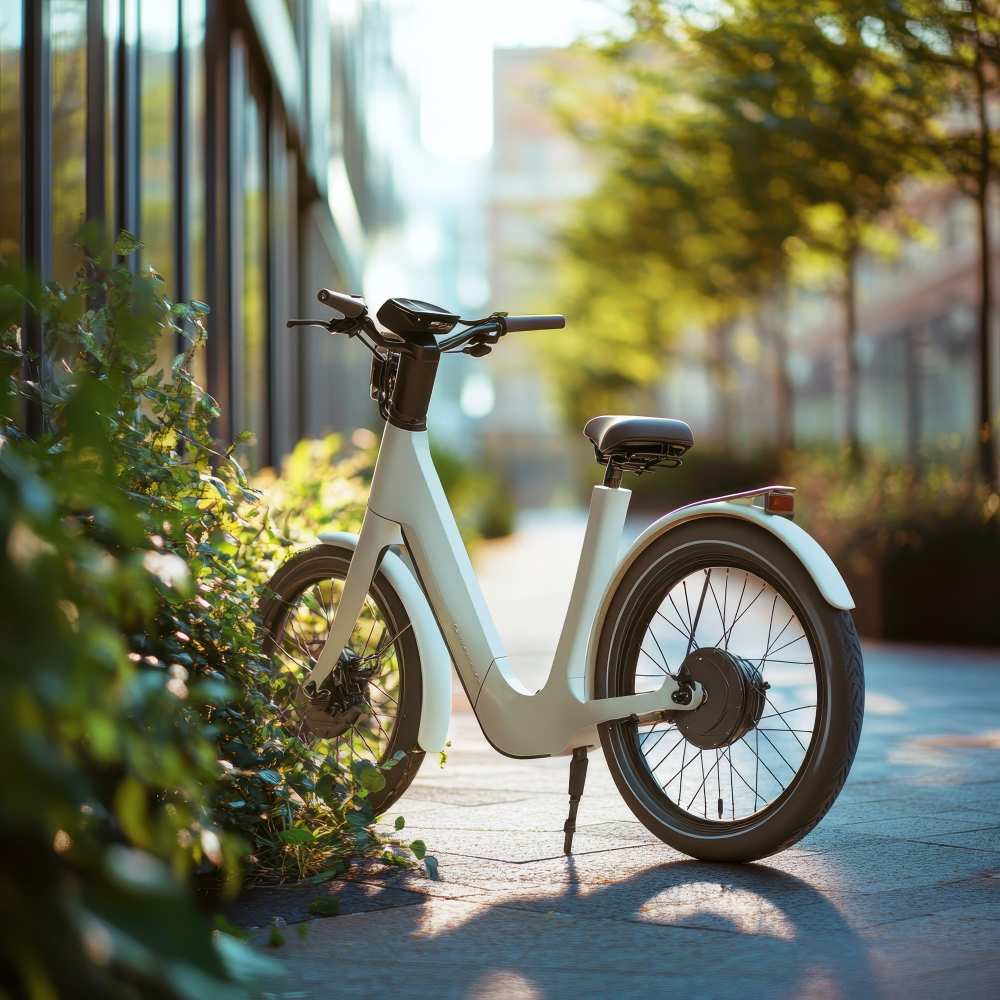
Before diving into the legal side, let’s clarify what exactly qualifies as an electric bike in the UK. Under UK law, the official term is Electrically Assisted Pedal Cycle (EAPC).
An EAPC is a bike that:
- Has pedals that can be used to propel it.
- Has an electric motor that assists while pedalling (not replacing it).
- The system does not provide power when the bike exceeds 15.5 mph (25 km/h).
- Has a motor with a maximum power output of 250 watts.
If your bike meets these criteria, it’s officially recognised as an EAPC meaning it’s treated just like a regular bicycle under UK law. That means no licence, insurance, or vehicle registration is required.
However, not every e-bike falls into this category, and that’s where things can get confusing.
Do You Need a Licence for an Electric Bike?
Here’s the key distinction if your e-bike qualifies as an EAPC, you do not need a licence. You can ride it anywhere a normal bicycle is allowed roads, cycle lanes, and paths as long as you’re 14 years or older.
But if your electric bike exceeds those limits say it can go faster than 15.5 mph or has a motor stronger than 250 watts it’s no longer classed as an EAPC. Instead, it’s considered a motor vehicle, and that changes everything.
These more powerful e-bikes are often referred to as “speed pedelecs” or electric motorbikes. If your bike falls into this category, you’ll need:
- A valid driving licence, usually a category AM, A1, or A licence, depending on power.
- Insurance
- Vehicle registration with the DVLA.
- A helmet meeting UK motorcycle standards.
So, in summary:
Type of Bike | Speed Limit | Motor Power | LicenceNeeded? | Treated As |
EAPC (Standard e-bike) | Up to 15.5 mph | 250W or less | No | Bicycle |
Speed Pedelec / Electric Motorbike | Over 15.5 mph | Over 250W | Yes | Motor Vehicle |
Electric Bike Licence Rules in the UK
Let’s look closer at the specific electric motorcycle licence categories in the UK.
Category AM Licence
- Minimum age: 16
- Allows you to ride mopeds up to 28 mph (45 km/h).
- Suitable for low-powered electric scooters.
Category A1 Licence
- Minimum age: 17
- For light motorcycles up to 125cc or equivalent (11 kW).
- Needed if your e-bike or electric motorbike exceeds EAPC limits but isn’t too powerful.
Category A Licence
- For full-sized motorbikes and high-powered electric motorbikes.
- No power restrictions.
If your electric bike falls into the “electric motorbike” category, you’ll need one of these licences depending on its specifications.
E-Bike Laws in the UK: Where You Can and Can’t Ride
If your bike is an EAPC, you can legally ride it anywhere a normal bike can go. That includes:
- Public roads
- Cycle lanes
- Shared-use paths
However, if your electric bike is considered a motor vehicle, you can only ride it on the road, not on cycle paths or pavements.
Another important rule: EAPCs cannot be ridden by anyone under 14 years old. If caught, there could be fines or confiscation.
These laws are designed to keep riders and pedestrians safe while maintaining the environmental and mobility benefits that e-bikes bring.
Do You Need Insurance for an Electric Bike?
If your e-bike is an EAPC, you don’t need insurance though you might want it for peace of mind. Theft and accidental damage can still happen, and some home insurance policies don’t automatically cover electric bikes.
If, however, your e-bike exceeds the EAPC limits (a speed pedelec or electric motorbike), you’ll legally need motor insurance just like any other motor vehicle. Without it, you could face heavy penalties.
It’s a smart move to check with an insurer that offers specialist electric bike insurance, as they understand the unique nature and value of these bikes.
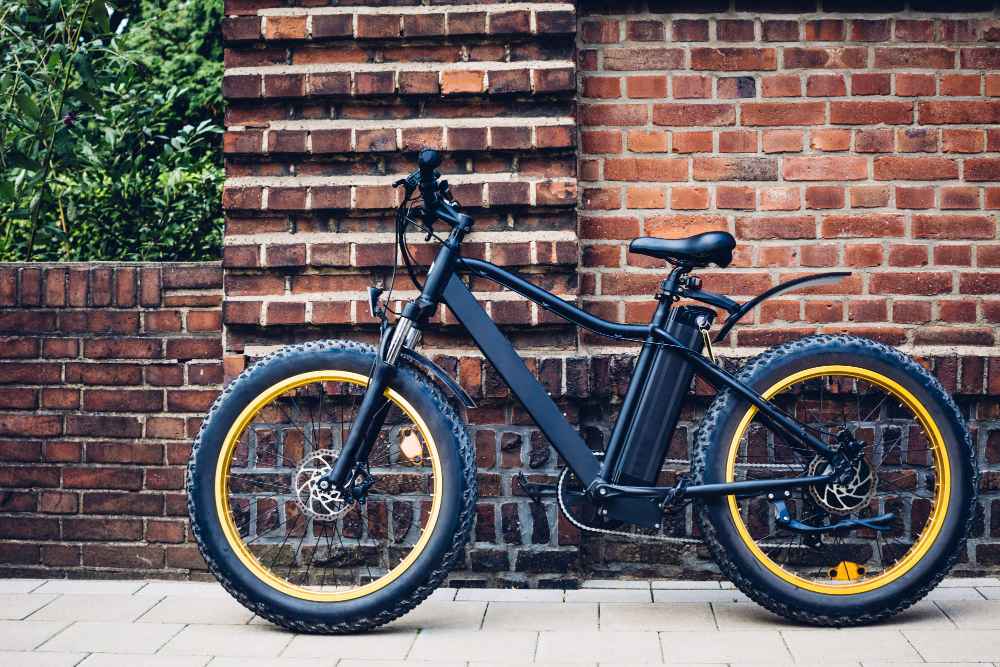
EAPC vs Electric Motorbike: Spot the Difference
Many people confuse EAPCs with electric motorbikes, but there are key differences that affect licensing, insurance, and legality.
Feature | EAPC | Electric Motorbike |
Motor Assists Pedalling | Yes | Not Required |
Pedals Required | Yes | No (optional) |
Max Speed (Electric Assistance) | 15.5 mph | Usually higher |
Power Output | Up to 250W | Over 250W |
Licence Required | No | Yes |
Registration Required | No | Yes |
Helmet Required | Not legally, but recommended | Yes |
Understanding these distinctions helps you stay compliant with UK road laws and avoid costly fines.
Why Are EAPCs So Popular in the UK?
EAPCs have exploded in popularity over the last few years, and it’s easy to see why. They combine the joy of cycling with the convenience of a motor, making hills, headwinds, and long commutes much easier.
With fuel prices soaring and more people embracing greener lifestyles, e-bikes have become a practical alternative to cars or public transport. Cities like London, Manchester, and Bristol are adapting rapidly with more cycle lanes and e-bike infrastructure.
Even brands like Electric Bike Hub have noticed the surge in demand for legal, licence-free e-bikes offering models that perfectly meet the UK’s EAPC regulations.
Can You Modify an Electric Bike?
It might be tempting to tweak your e-bike for a bit more speed, but be careful modifying an EAPC can instantly change its legal status.
If you adjust the motor to go beyond 15.5 mph or increase its power beyond 250 watts, it becomes an electric motorbike, which means:
- You’ll need a licence.
- The bike must be registered and insured.
- You must wear an approved helmet.
Failing to do so could lead to fines, penalty points, and even bike confiscation.
So, while tuning might sound exciting, it’s rarely worth the legal trouble.
The Future of Electric Bike Regulation in the UK
With the electric vehicle market growing rapidly, the UK government is expected to introduce clearer and more flexible rules for e-bikes and micro-mobility vehicles in the coming years.
Discussions include potential new categories for electric scooters and speed pedelecs, as well as improved infrastructure and safety standards.
For now, the current EAPC regulations are simple and fair offering a safe way to enjoy electric cycling without needing a driving licence or vehicle registration.
Tips for Riding an Electric Bike Safely
Even though you might not need a licence, riding safely is still essential. Here are some practical tips:
- Wear a helmet not legally required, but highly recommended.
- Check your brakes regularly e-bikes are heavier and faster than normal bikes.
- Use lights and reflective gear when riding at night.
- Obey traffic signals and road rules like any other cyclist.
- Keep your battery charged and maintained for consistent performance.
Being a responsible rider keeps you safe and ensures that the reputation of e-bike users stays positive across the UK.
Conclusion
So, do you need a licence to drive an electric bike in the UK? In most cases, no, as long as your bike meets the EAPC definition. You can ride freely without a licence, registration, or insurance, provided it has pedals, a 250W motor, and doesn’t assist beyond 15.5 mph.
However, if you own or plan to buy a high-powered model like a speed pedelec or electric motorbike then yes, you’ll need a licence and must follow all the rules for motor vehicles.
Electric bikes are reshaping urban mobility, offering a greener, cheaper, and more enjoyable way to travel. Whether you’re commuting, exploring, or exercising, make sure your e-bike meets the right standards and you’ll enjoy all the benefits without any legal headaches.
FAQs