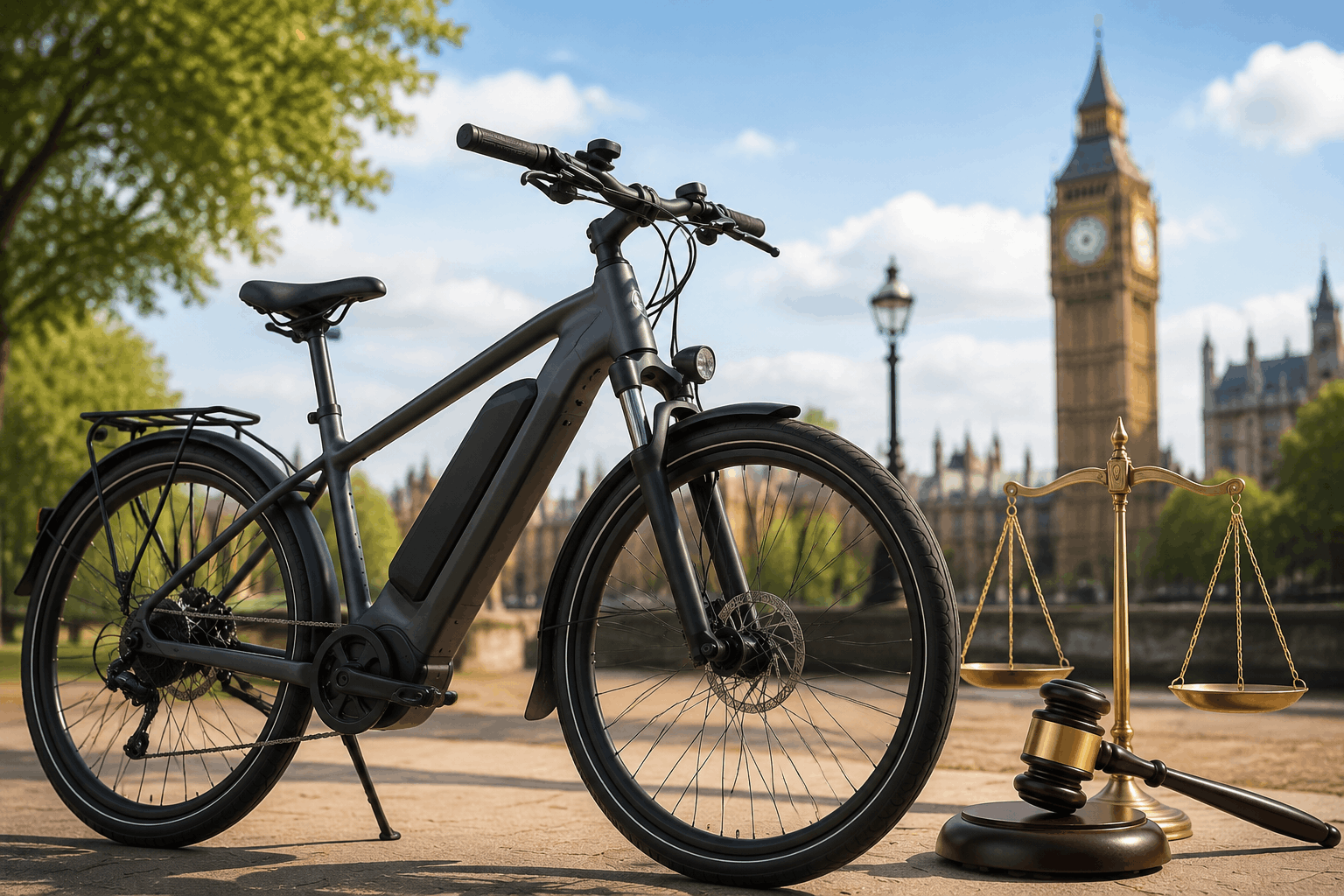
If you’re thinking about buying an electric bike, one of the first questions you’ll probably ask is: are e bikes legal in the UK? The short answer is yes, electric bikes are legal in the UK, but they must meet certain requirements to be used legally on public roads.
With the growing popularity of e-bikes for commuting, fitness, and everyday travel, understanding the UK law on electric bikes is important before choosing a model. Not every bike sold as an “electric bike” automatically qualifies as a legal e-bike in Britain.
A road-legal electric bike must meet specific rules relating to motor power, speed limits, pedals and rider age. If an e-bike does not meet these requirements, it may legally be treated as a motor vehicle rather than a bicycle.
This guide explains everything you need to know about electric bike legal requirements in the UK, including where you can ride, speed limits, power restrictions and common mistakes to avoid.
Are E Bikes Legal in the UK?
Yes, e bikes are legal in the UK as long as they meet the requirements for an Electrically Assisted Pedal Cycle (EAPC).
An EAPC is the official legal category used for electric bikes that are treated similarly to traditional bicycles. If your e-bike qualifies as an EAPC, you can generally ride it without a driving licence, registration, road tax or motor insurance.
To be considered legal under current UK regulations, an electric bike must:
- Have pedals that can propel the bike
- Have an electric motor with a maximum continuous rated power of 250 watts
- Stop providing electric assistance once it reaches 15.5 mph (25 km/h)
- Be ridden by someone aged 14 or over
If your bike meets these conditions, it is classed as a normal pedal cycle under UK law.
What Are the UK Electric Bike Rules and Regulations?
The e bike UK law is designed to ensure electric bikes provide assistance while still working like bicycles rather than becoming high-powered motor vehicles.
Here are the main rules you need to know.
1. Electric Bike Motor Power Limit
A legal electric bike in the UK can have a motor with a maximum continuous rated power output of:
250 watts
This means the motor can help you pedal, but it cannot operate like a small electric motorcycle.
Some imported e-bikes and conversion kits available online have motors above this limit. While they may look similar to standard e-bikes, they may not be legally used on UK roads.
2. Speed Restrictions for Electric Bikes
A legal e-bike motor must stop providing assistance when the bike reaches:
15.5 mph (25 km/h)
You can still travel faster than this speed by pedalling downhill or using your own effort, but the electric motor cannot continue helping beyond this limit.
This is one of the most important parts of determining whether an electric bike is street legal in the UK.
3. Pedals Must Be Present
A legal electric bike must have pedals that are capable of moving the bike forward.
This means fully electric bikes without pedals usually do not fall under normal e-bike rules and may require registration, insurance and other legal requirements.
4. Minimum Age Requirement
In the UK, riders must be:
14 years old or above
to legally ride an electric bike that qualifies as an EAPC.
You do not need a driving licence to ride a compliant electric bike.
Are E Bikes Street Legal in the UK?
Yes, legal e-bikes can be ridden on UK roads and anywhere that conventional bicycles are allowed.
This includes:
- Public roads
- Cycle lanes
- Cycle paths
- Shared-use cycling routes
However, legal e-bikes cannot be ridden on pavements unless a specific area allows cycling.
If an electric bike does not meet EAPC requirements, it cannot simply be used like a normal bicycle. It may need to meet motorcycle regulations instead.
Do Electric Bikes Need Insurance, Tax or a Licence in the UK?
For a standard road-legal electric bike, you do not need:
- A driving licence
- Vehicle tax
- Registration
- Compulsory motor insurance
However, many riders choose optional insurance for protection against:
- Theft
- Accidental damage
- Personal injury
- Third-party claims
Although insurance is not legally required for a compliant e-bike, it can provide useful peace of mind, especially with expensive models.
Are Speed Limit Electric Bikes Legal in the UK?
Many people search for faster electric bikes because they want more power for hills or longer journeys.
However, high-speed electric bikes need careful consideration.
An e-bike that:
- Provides assistance above 15.5 mph
- Has a motor above 250 watts
- Works without normal pedal assistance
may not be classed as a legal electric bike in the UK.
Instead, it may be considered a motor vehicle and could require:
- Registration
- Insurance
- Tax
- A suitable driving licence
- Motorcycle safety equipment
Are Throttle Electric Bikes Legal in the UK?
Throttle systems can be confusing because not all throttle-assisted e-bikes are automatically illegal.
Some e-bikes with throttle assistance can qualify as legal EAPCs if they meet the required rules and approval conditions.
However, many unrestricted throttle e-bikes sold online may not comply with UK regulations.
Before purchasing a throttle e-bike, check:
- Motor power rating
- Maximum assisted speed
- Manufacturer information
- Whether it meets UK EAPC requirements
Are Electric Bike Conversion Kits Legal in the UK?
Electric bike conversion kits are popular because they allow riders to transform a normal bicycle into an e-bike.
However, the converted bike must still follow the same rules as a manufactured electric bike.
A legal conversion kit must:
- Use a motor no more than 250 watts
- Stop assistance at 15.5 mph
- Keep working pedals on the bicycle
If a conversion kit creates a bike that exceeds these limits, it may become illegal to ride on public roads.
Common Electric Bike Mistakes UK Riders Make
Many riders accidentally buy or modify an e-bike that does not comply with UK law.
Common mistakes include:
Buying an Overpowered E-Bike
Some cheaper imported models advertise higher speeds and stronger motors. While they may seem attractive, they may not be legal for normal road use.
Using an Unrestricted “Off Road” Mode
Some e-bikes include settings that remove speed restrictions.
Using these modes on public roads can make the bike non-compliant with UK regulations.
Assuming Every Electric Bike Sold Online Is Road Legal
A product being available for sale does not always mean it can legally be ridden on UK roads.
Always check the specifications before buying.
How to Check If an Electric Bike Is Legal in the UK
Before purchasing an e-bike, check the following:
Motor Specification
Look for:
- Maximum continuous power: 250W or below
- Assistance cut-off speed: 15.5 mph
Pedal Assistance
Confirm that the bike has working pedals and is designed to assist your pedalling.
Manufacturer Information
A compliant e-bike should clearly display important information, including motor details and manufacturer information.
Buy From a Reputable Supplier
Established UK electric bike retailers are usually more familiar with legal requirements and can helxp you choose a compliant model.
Conclusion
So, are e bikes legal in the UK? Yes, they are, provided they follow the rules.
A legal electric bike must have working pedals, a motor rated at no more than 250 watts, and electric assistance that stops at 15.5 mph. Riders must also be at least 14 years old. For anyone looking to buy an e-bike, understanding the e bike UK law before purchasing can help you avoid expensive mistakes. Choosing a compliant model means you can enjoy the benefits of electric cycling while riding confidently and legally across the UK.