Benefits of Owning an Electric Bike
Eco-Friendly Transportation
One of the standout benefits of owning an e-bike is its minimal environmental impact—or rather, the lack thereof. Electric bikes produce zero emissions, which makes them a great alternative to cars or motorbikes. They also contribute less to road congestion and require fewer resources to manufacture and maintain. If you’re trying to reduce your carbon footprint, choosing an electric bike is a smart and sustainable move.
Cost-Effective Commuting
Although the initial cost of purchasing an e-bike might seem high, it’s a long-term investment that pays off. You’ll save on fuel, insurance, maintenance, and parking fees. The cost of charging an electric bike battery is minimal—typically under £1 per charge, depending on your electricity rate and battery size. And let’s not forget: it beats paying for public transport every day.
Health and Fitness Advantages
Contrary to popular belief, riding an electric bike isn’t cheating. Yes, the motor helps, but you’re still pedalling—burning calories, improving cardiovascular health, and building muscle. Because it makes cycling easier, especially on long or uphill rides, you might find yourself riding more frequently than you would with a traditional bike. It’s a brilliant way to integrate low-impact exercise into your daily routine.
Key Types of Electric Bikes
Commuter E-Bikes
These are built for comfort and practicality. Ideal for daily rides to work or running errands, commuter e-bikes often come with built-in lights, mudguards, racks, and ergonomic seating. They prioritise efficiency and reliability over speed or rugged terrain capabilities.
Mountain E-Bikes
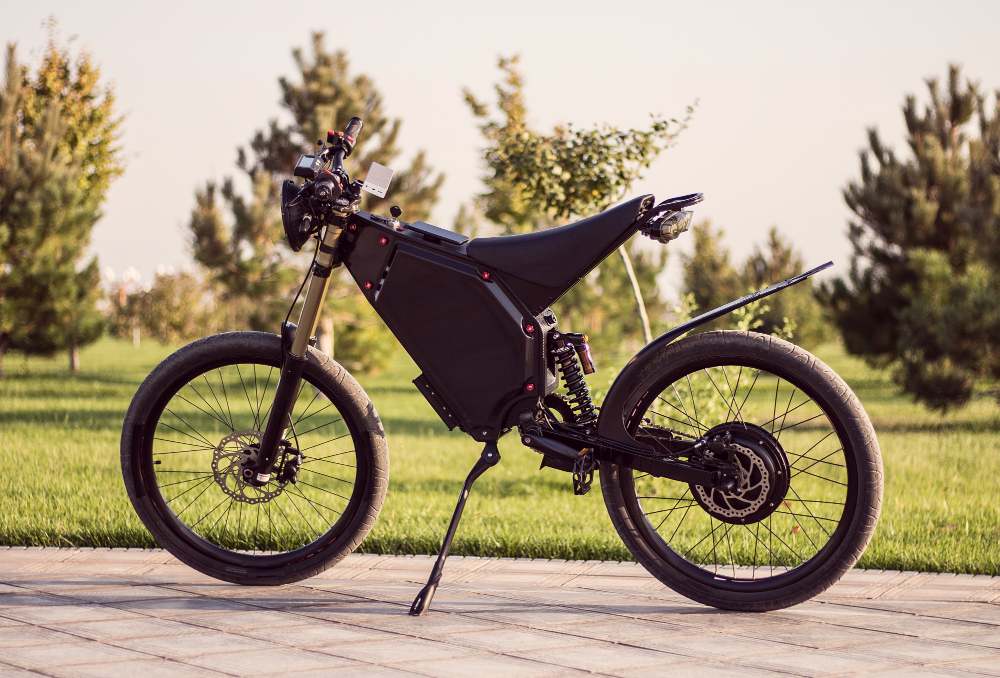
Mountain e-bikes, also known as electric mountain bikes (e-MTBs), are designed to conquer off-road trails with ease. Equipped with robust suspension systems, grippy tyres, and powerful motors, these bikes can handle steep climbs and rough terrains. If you’re on a budget but still crave adventure, exploring the best budget electric mountain bike options can deliver a thrilling yet affordable experience.
Folding E-Bikes
Perfect for city dwellers or those short on storage space, folding e-bikes offer portability without sacrificing power. They’re compact enough to carry onto public transport or tuck away under a desk, making them a favourite among urban commuters.
Choosing the Right Electric Bike for You
Determining Your Riding Needs
The first step in any ebike buying guide is identifying your specific needs. Are you looking for an e-bike for commuting, leisure rides, off-road trails, or fitness? Once you understand your primary use, it becomes easier to narrow down the options. For instance, someone commuting five miles each way might need a different model than someone taking on weekend mountain trails.
Understanding Bike Classes and Legal Limits
In the UK, electric bikes are classified as ‘electrically assisted pedal cycles’ (EAPCs). To qualify as an EAPC, the motor must not exceed 250 watts and should not assist you when you’re riding above 15.5 mph (25 km/h). Anything more powerful is considered a moped and requires registration, insurance, and a driving licence. Always make sure your e-bike complies with local laws before making a purchase.
Sizing and Fit
An often-overlooked aspect of choosing an electric bike is selecting the correct size. A properly sized bike improves comfort, efficiency, and control. Most manufacturers offer size guides based on rider height and inseam length. Visit a local shop to get professionally fitted or at least try on different frame sizes before making a purchase.
Motor and Battery Considerations
Mid-Drive vs Hub Motors
When exploring your e-bike options in more detail, one of the most crucial decisions is choosing between a mid-drive motor and a hub motor. Mid-drive motors are located in the crankset, delivering power directly to the bike’s drivetrain. This results in better weight distribution, more torque, and improved climbing performance—perfect for hilly terrain or mountain trails. Hub motors, on the other hand, are situated in either the front or rear wheel. They’re more affordable and simpler in design, making them common in budget-friendly e-bikes. If you’re looking for the best electric bike for beginners, hub motor models offer a straightforward and hassle-free experience.
Battery Range and Charging Time
The battery is the powerhouse of your e-bike. Most e-bike batteries have a capacity range of 250Wh to 750Wh. A higher watt-hour rating typically means a longer range. However, range also depends on factors such as rider weight, terrain, assist level, and wind conditions. Expect a range of 25 to 70 miles on a single charge. Charging times vary as well; it typically takes between 3 and 6 hours to fully charge a battery. If you plan to use your bike daily, investing in a removable battery or a second charger can be a game-changer for convenience.
Features to Look For in an Electric Bike
Suspension and Brakes
Your comfort and safety depend heavily on your bike’s suspension and braking system. For city commuting, a front suspension fork (also known as a hardtail) can help absorb road vibrations, providing a smoother ride. But for off-roading or trail riding, full-suspension bikes (with both front and rear shocks) offer superior control. When it comes to brakes, disc brakes—especially hydraulic ones—are essential for quick stopping in all weather conditions. Avoid rim brakes unless you’re going for a lightweight or low-cost model.
Frame Material and Weight
E-bike frames are generally made from aluminium alloy, steel, carbon fibre, or titanium. Aluminium is the most popular due to its strength, durability, and relatively light weight. Carbon fibre is lighter but more expensive and prone to cracking on impact. Steel provides a smooth ride but is heavier, while titanium offers strength and lightness—but at a premium price. Don’t overlook total weight—especially if you need to carry the bike upstairs or load it onto public transport.
Gears and Drivetrain
While many electric bikes come with a single gear, especially in city or folding designs, others offer a wide range of gears suited for varied terrain. When purchasing an electric mountain bike, having multiple gears will make climbs and descents significantly easier. Shimano and SRAM are trusted brands in the gear system industry. Belt-drive systems are also emerging as a low-maintenance, grease-free alternative to chains—ideal for urban riders.
Budgeting: How Much Should You Spend?
Entry-Level vs Premium Models
Electric bikes range widely in price—from as low as £600 for entry-level models to £5,000 or more for high-end machines. Entry-level e-bikes typically feature hub motors, modest battery ranges, and fewer advanced components. They’re perfect for short commutes or casual rides. Mid-range bikes (around £1,200–£2,000) offer a balanced mix of performance and durability, often with better motors, hydraulic brakes, and longer-lasting batteries. Premium models feature advanced technology, including integrated displays, GPS tracking, and carbon frames.
Best Budget Electric Mountain Bike Picks
If you want off-road thrills without spending a fortune, several brands offer budget-friendly electric mountain bikes with reliable components. Look for features like at least 80mm of front suspension travel, disc brakes, and a 500Wh battery. These models might not climb like a £4,000 trail beast, but they’ll absolutely handle moderate trails and weekend rides. Do your homework, read reviews, and try before you buy if possible.
Tips for First-Time E-Bike Buyers
Test Ride Before You Buy
You wouldn’t buy a car without test-driving it. The same principle applies to e-bikes. A test ride helps you understand the bike’s handling, motor responsiveness, braking power, and comfort level. Try different motor types, frame sizes, and styles to find what feels right. If you’re buying online, ensure there’s a generous return policy so you’re not stuck with a bike that doesn’t suit you.
Warranty and After-Sales Support
Always check the warranty terms. Most decent e-bike brands offer 1–2 years of warranty coverage on the motor and battery, and longer coverage on the frame. Don’t overlook after-sales support. Are replacement parts easy to source? Is customer service responsive? A reliable brand that offers great post-sale service is worth every penny. Electric Bike Hub, for example, provides both comprehensive support and a wide range of models suited for UK riders.
Maintenance and Longevity
Battery Care Tips
The battery is the most crucial component of your electric bike, and how you treat it will directly impact its lifespan. To maximise battery life:
- Charge it regularly, even if you haven’t used it.
- Avoid letting it fully drain before recharging.
- Keep it between 10°C and 25°C whenever possible—extreme heat or cold can degrade performance.
- Don’t leave it plugged in indefinitely once it’s full.
A quality lithium-ion battery typically lasts between 500 and 1,000 charge cycles, which translates to 3–5 years of regular use. Replacing a battery can be costly, so taking good care of it pays off in the long run.
Routine Maintenance Checklist
Just like any bicycle, your e-bike requires regular maintenance to stay in top shape. Here’s a simple checklist to follow:
- Weekly: Check tyre pressure, clean the frame, inspect brake pads.
- Monthly: Lubricate the chain, inspect the gears, and test the motor response.
- Quarterly: Tighten bolts, inspect wiring and connections, and clean the drivetrain.
- Annually: Full service including brake fluid check (for hydraulic systems), software updates (if applicable), and a professional inspection.
Regular upkeep not only improves performance but also prevents minor issues from escalating into costly repairs.
Top Recommendations for Different Riders
Best Electric Bike for Beginners
New to the world of e-bikes? Look for models that are lightweight, easy to operate, and come with intuitive controls. Step-through frames make mounting and dismounting effortless, while single-speed or 7-speed systems simplify gear management. A reliable beginner e-bike should also feature pedal assist (with no complicated throttles) and at least a 250Wh battery for a decent range. Some reputable beginner models even come with integrated lights, mudguards, and racks—perfect for daily errands.
Best E-Bike for Commuters
If you’re swapping the train for two wheels, a commuter e-bike needs to be durable, comfortable, and practical. Key features to look for include:
- Integrated front and rear lights
- Puncture-resistant tyres
- Rear rack for bags or panniers
- Fenders to keep you clean in the rain
- Upright geometry for better visibility in traffic
Mid-drive motors offer smoother acceleration, especially useful in stop-and-go traffic, and regenerative braking can help extend your battery life. Some high-end commuter models even come with GPS tracking and anti-theft alarms.
Where to Buy Your E-Bike
Online vs Local Shops
Online retailers often offer better prices and a wider selection, while local bike shops provide hands-on service, personalised advice, and test rides. If you’re confident in what you want, buying online might save you money—but ensure there’s a strong return policy and warranty in place. If you’re uncertain or want a proper fitting, your local shop is worth the extra cost. Many hybrid models now exist, such as ordering online and picking up in-store, offering the best of both worlds.
Trusted E-Bike Brands
Reputation matters. Stick to brands that are known for their quality, customer service, and durable components. Brands like Rad Power Bikes, Cube, Trek, and Giant consistently receive positive feedback. Whether you’re looking for the best budget electric mountain bike or a high-end city commuter, choosing a well-reviewed brand ensures peace of mind and long-term satisfaction.
Why Choose Electric Bike Hub?
Electric Bike Hub stands out as a trusted destination for anyone navigating the e-bike market in the UK. With a carefully curated selection of top-rated electric bikes, ranging from urban commuters to trail-ready mountain models, they prioritise quality, value, and customer satisfaction. Their expert team provides guidance tailored to your riding needs—whether you’re seeking the best electric bike for beginners or aiming to upgrade to a more powerful mid-drive machine. Plus, their aftercare service ensures your bike stays in peak condition for years to come.
Common Mistakes to Avoid
- Buying without testing: Not every e-bike feels the same. Always test ride if possible.
- Choosing based on looks: Prioritise performance and comfort over flashy designs.
- Underestimating range: Choose a battery suited to your daily mileage, not just the cheapest option.
- Ignoring local regulations: In the UK, exceeding the 250W limit may render your e-bike illegal.
- Skipping maintenance: E-bikes are an investment—keep it running smoothly with regular care.
Conclusion
Choosing an electric bike is more than just ticking boxes—it’s about matching your lifestyle, budget, and riding needs with the right model. Whether you’re a daily commuter, weekend adventurer, or someone just starting, there’s an e-bike out there tailored to you. By understanding the types, motor systems, key features, and common pitfalls, you’ll be well-equipped to make a confident decision. And remember, buying an e-bike isn’t just a purchase—it’s an investment in freedom, health, and a greener future.