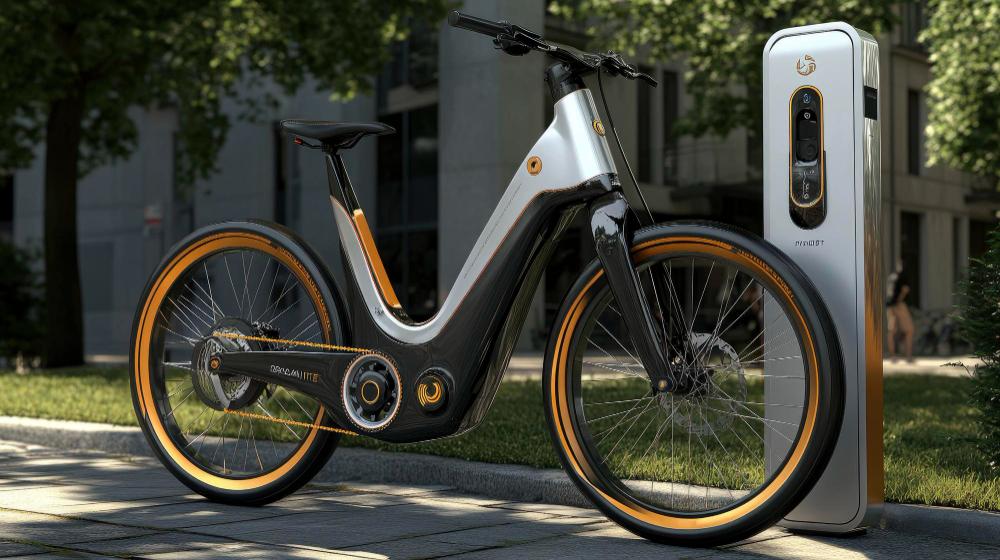
The straightforward answer is yes. Electric motorcycles are street-legal only when they comply with the UK’s legal standards. With their advanced engineering and modern technology, they are becoming increasingly popular in the UK nowadays.
As more riders switch from petrol to electric motorcycles, it is mandatory to know the legal requirements that apply to these vehicles. Luckily, this blog covers all the necessary information, including how these e-bikes are classified, the legal rules, and the different benefits they offer.
What Does “Street Legal” Mean in the UK?
Electric motorcycles are gaining popularity in the UK because of their state-of-the-art technology and design. One question most riders have is whether electric motorcycles are street-legal. So, “What Does ‘Street Legal’ Mean?” Street legal means a vehicle, such as an electric bike, must meet all government regulations to ride on public roads. All equipment, such as the functional lights, horn, mirror, and brakes, must be insured and registered to be operated on the road.
Here are some necessary conditions to keep in mind:
- Your vehicle must be categorised as either a moped or a motorcycle.
- You must possess a moped license or a valid motorcycle licence to ride on the road.
- The vehicle must have all necessary security equipment, including reflectors, a horn, and mirrors.
- Registration with the Driver and Vehicle Licencing Agency (DVLA) and the V5C registration document are mandatory.
- Your vehicle should be properly taxed and insured where required.
- If the vehicle is not certified by the manufacturer, it must fulfil the vehicle approval standards.
Note: If you did not follow any of these conditions, riding a vehicle on the public road may result in fines and trouble with the police.
Classification of Electric Motorcycles
Electric bikes are generally classified by power output, top speed, and motor-assistance type. Considering this classification, you will get to know where registration is compulsory, what type of licence you need, and in which areas you can ride on your vehicle.
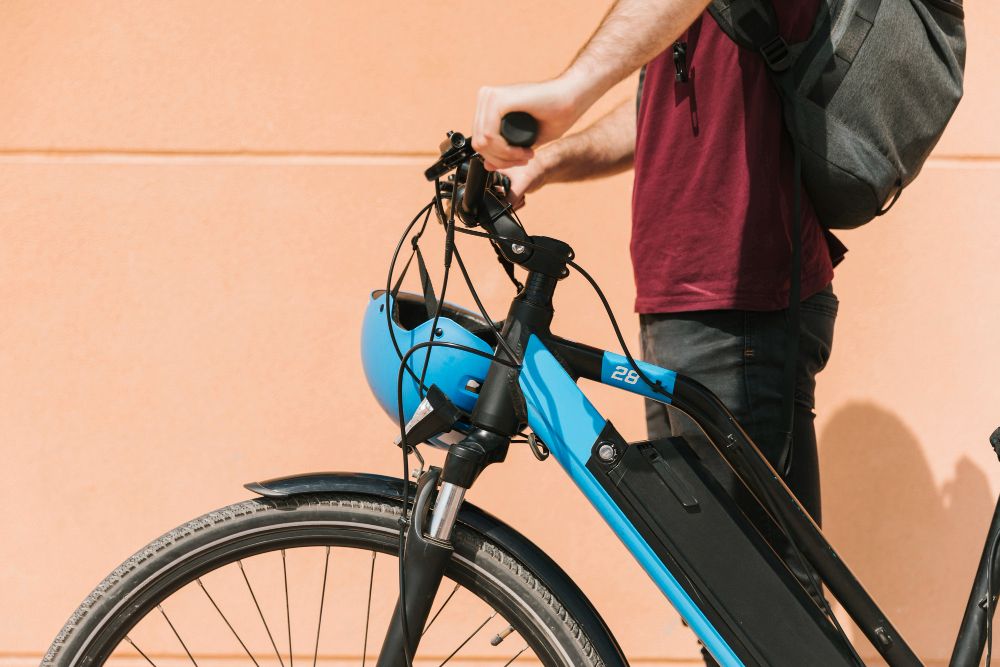
Electrically Assisted Pedal Cycles (EAPCs)
These are the conventional motorcycles that do not require insurance, a licence, or registration. The main components of this include sensors, a battery, a controller, and a motor. The motor assists only while pedalling, with a power of 250W and cuts off at 15.5 mph (25km/h). However, if your e-motorcycles exceed this limit, they are not included in EAPC; they fall under the motorcycle or moped category in the UK.
Note: Your age must be 14 or above to ride these cycles.
Small Electric Motorcycles and Mopeds
Vehicles with more powerful motors that do not require pedalling and exceed 15.5 mph are classified as small electric motorcycles and mopeds. Mopeds typically reach a top speed of about 28-30 mph (45-48 km/h). On the other hand, anything faster than this is an L3e motorcycle and is street legal.
In the UK, e-motorcycles fall under the L-category of vehicles and should meet the same legal requirements as petrol-powered bikes.
What Are the Legal Requirements for Electric Motorcycles?
Electric bikes do not emit any carbon dioxide, but that does not mean they lack a motor. Therefore, you have to consider all the legal requirements for riding on e-motorcycles.
Registration and Tax
It is vital to meet the registration and tax requirements.
- Your electric motorcycle is registered with the DVLA with a valid V5C document.
- E-bikes are presently exempt from vehicle tax as they do not emit direct pollutants.
- A number plate is necessary, so display it to avoid penalties.
Insurance
You need valid motorcycle insurance to ride on public roads in the UK. If you have insurance, it covers all third-party risks, such as accidents and damage to others. However, you will have to face fines or worse consequences without it.
Licence Requirements
To ride a street-legal motorcycle in the UK, you must have a motorcycle licence.
- You must be 16 or older to ride a moped, while the minimum age for a small motorcycle is 17.
- Before riding on the roads, complete the compulsory basic training (CBT).
- To ride the high-power electric motorcycles, a full category A or A1/A2 licence is required.
Ministry of Transport (MOT) Test
It is a legally required test to be conducted on vehicles that are more than 3 years old (in the UK). Like regular motorcycles, electric motorcycles also require these.
What Is the Necessary Vehicle Equipment?
To ensure that your e-motorcycle is street legal, it must have this necessary equipment:
Working headlights, brake lights, tail lights, and indicators
- Horn
- Mirrors
- Reflectors
- Brakes and controls
- Legal tyres appropriate for road use
What Are the Benefits of Electric Motorcycles?
If your electric motorcycle is street legal, this means you will enjoy these benefits;
Lower Running Cost: Electric bikes are charged, which is easier than buying petrol. You can even charge for free at some public charging points.
Reduced Maintenance: They have fewer parts, so you do not have to spend as much time maintaining them, which saves a lot of time.
Easy to Ride: Both beginners and experienced riders can ride with ease, thanks to the twist-and-go throttle.
Technological Advancement: Modern electric motorcycles feature removable batteries, smart connectivity, and advanced safety systems.
Conclusion
It is clear that electric motorcycles are street-legal, but only if they meet UK legal standards. You can easily ride on the public roads when your vehicle is registered with the DVLA, has all the necessary equipment, and meets the MOT requirements. Above these, you must have a valid motorcycle licence and insurance. So, it is important to comply with all these conditions; otherwise, you will have to face the real risk of legal enforcement.