Electric bikes have become an increasingly popular way to travel, exercise, and explore. They combine the freedom of cycling with added support that makes riding easier and more enjoyable. From daily commuting to relaxed weekend rides and longer adventures, e-bikes offer a practical option for people of all ages and fitness levels. They help riders go farther, tackle hills with ease, and enjoy cycling without feeling exhausted.
To better understand why electric bikes are so widely used and how they fit different lifestyles, it helps to first know what they are and how they work.
What Are Electric Bikes?
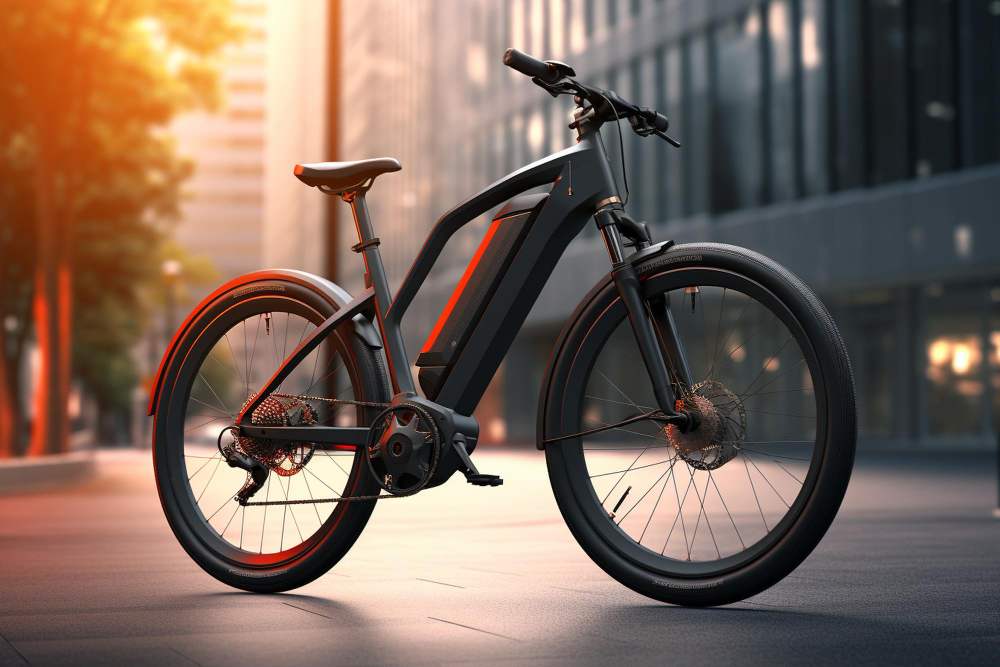
The straightforward answer is that an electric bike is almost the same as a regular bike with the addition of an electric motor to boost your progress. The technical answer is that electric bike is a hybrid form of transport, where both the rider and the motor contribute to the power. It works up to about 15.5 mph (25kmph), which represents the legal limit for motor-assisted speed.
It’s also known as a pedelec, where pedalling activates the motor instead of a throttle. Most of today’s e-bikes are pedelecs. So, they are clearly different from mopeds or motorbikes because you need to pedal to trigger the motor.
How Do Electric Bikes Work?
These bikes are fitted with a motor to increase your riding capacity. Some e-bikes also feature the throttle to give you a boost when needed. Pedal assist starts working while you pedal the bike, reducing the effort needed to ride. The motor is programmed to stop pedal assist as soon as you stop pedalling or you reach the allowable speed limit of 25kmph.
Types of Electric Bikes
To pick the best electric bike for you, you must understand its different types. Below are the types of electric bikes that can be found in the market:
Folding Electric Bikes
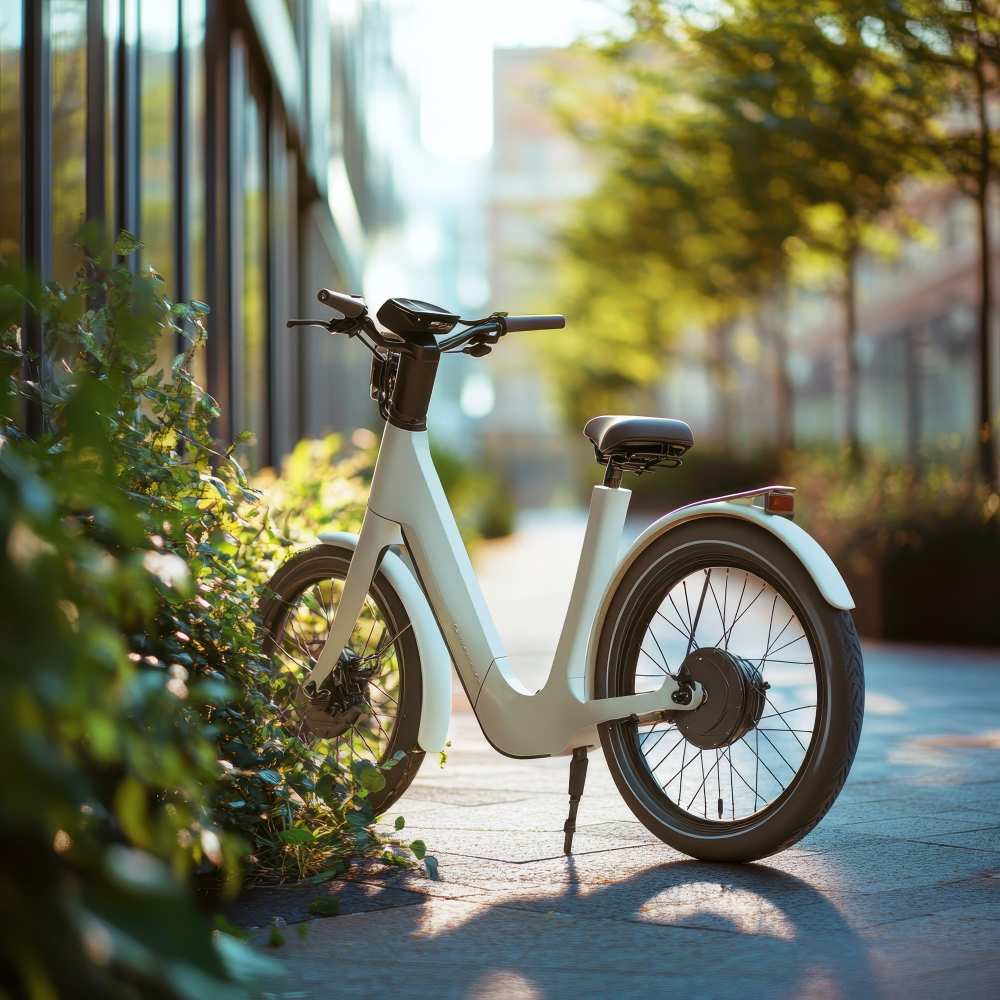
These bikes fold into a compact size, making them easy to carry, store in small apartments, or take on public transport. They’re ideal for city commuters who need a bike that’s portable but still offers motor assistance for longer rides or hills.
Fat Tyre Electric Bikes
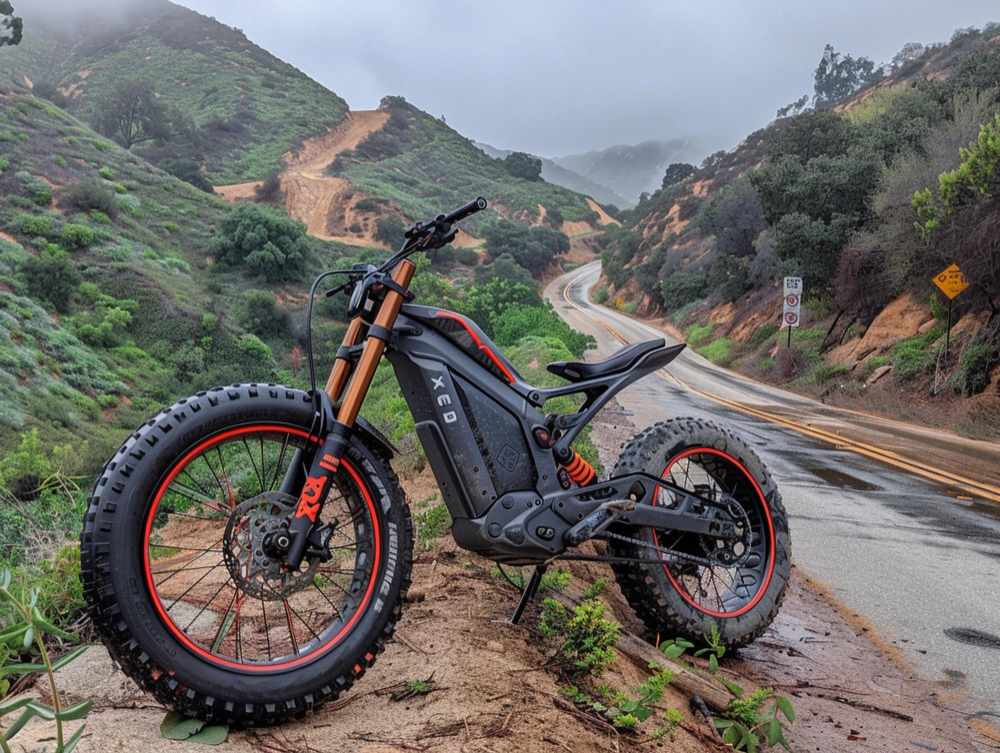
Fat tyre e-bikes have wide, oversized tyres that provide excellent stability and grip. They can handle sand, snow, mud, and rough trails, making them perfect for adventure riders who want to explore off-road paths or uneven surfaces.
Cargo Electric Bikes
Designed to carry heavy loads, these bikes often come with extended racks, large baskets, or extra-long frames. They’re great for families transporting kids, running errands, or even for delivery services. Cargo e-bikes combine power with practicality.
Electric Mountain Bikes
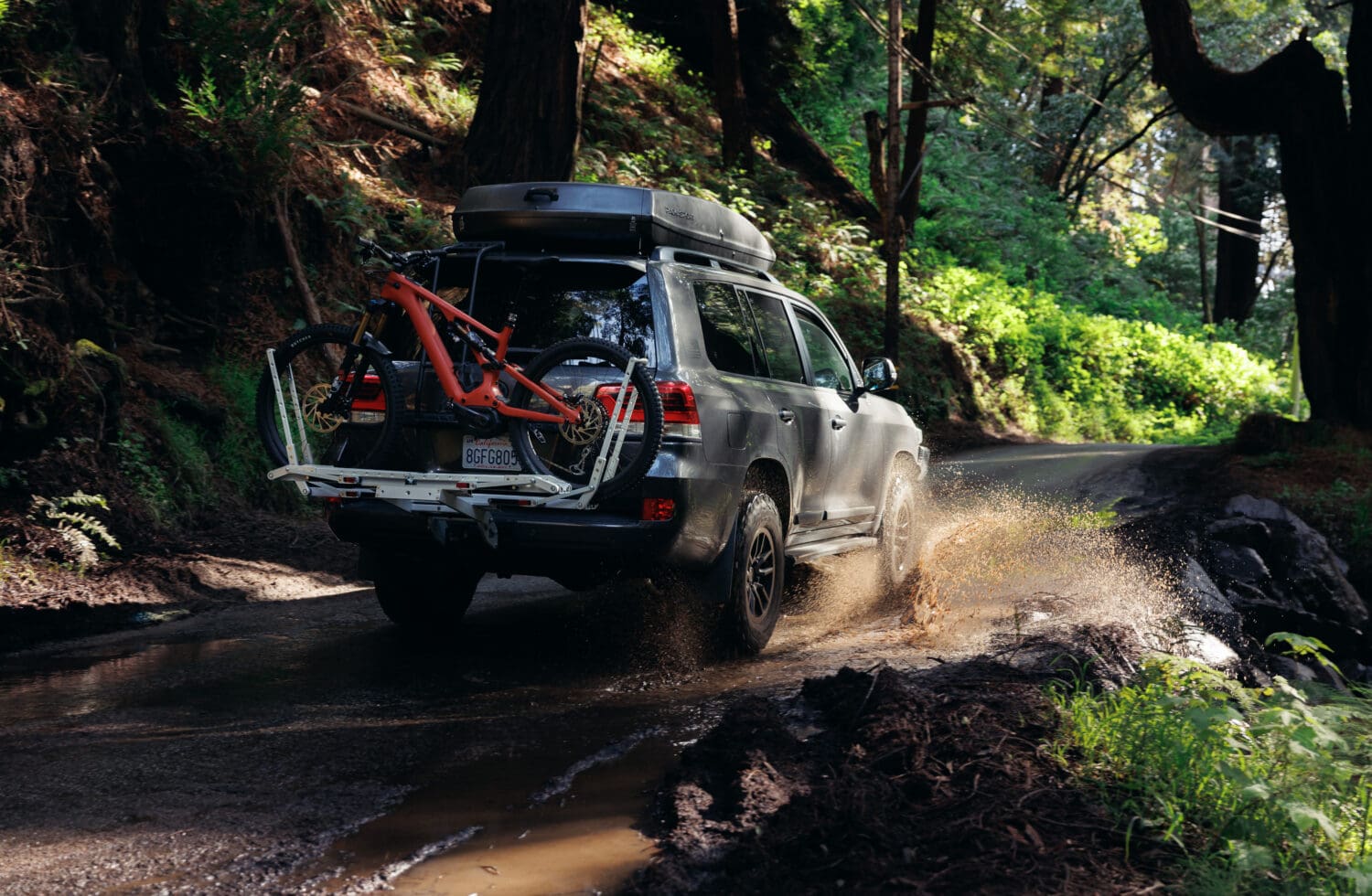
Built for off-road trails, hills, and rough terrain, electric mountain bikes provide extra torque and power for climbing steep paths. They often feature suspension systems, rugged tyres, and durable frames, making them perfect for outdoor enthusiasts and adventure seekers.
Commuter Electric Bikes
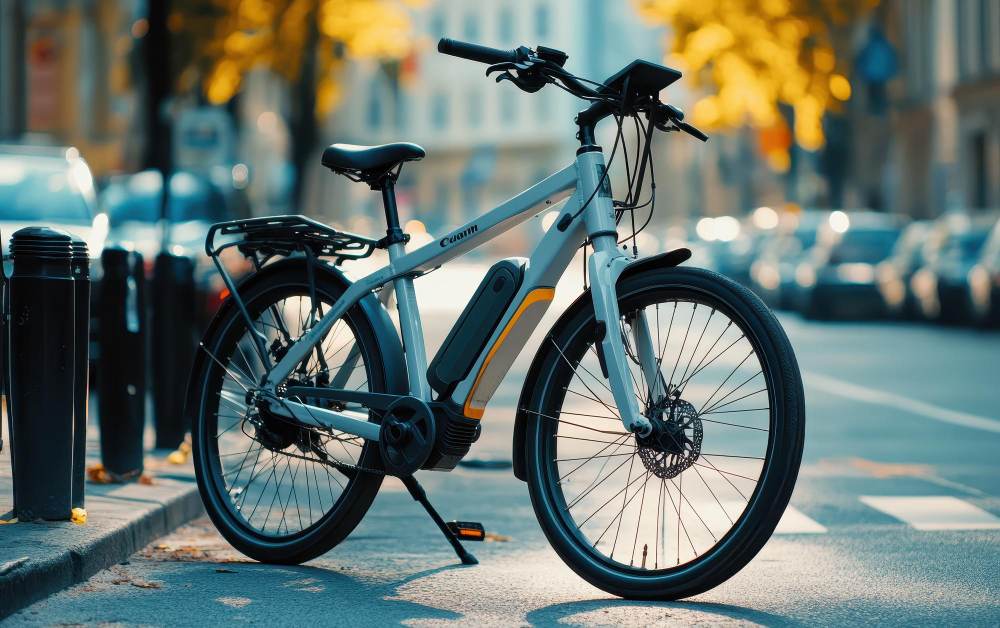
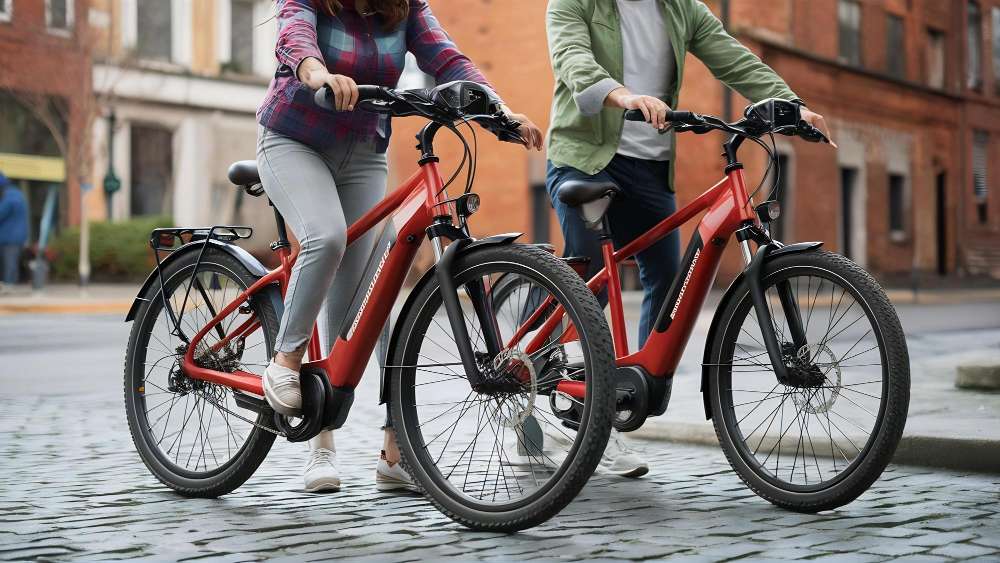
These e-bikes are made for daily travel on city streets or suburban roads. They prioritise comfort, efficiency, and convenience, often including lights, fenders, racks, and battery systems designed for longer distances. Commuter e-bikes make getting to work or school faster and easier.
Step Through Electric Bikes
Step-through bikes have a low or open frame, so riders can easily mount and dismount. They’re especially helpful for people with limited mobility, or anyone wearing skirts or dresses. They offer the same motor assistance but with added convenience and safety.
Cruiser Electric Bikes
Cruiser e-bikes focus on comfort and style rather than speed. With wide, cushioned seats, upright riding positions, and smooth handling, they’re ideal for leisurely rides around parks, beaches, or quiet streets. Perfect for relaxing, short-distance rides.
Lightweight Electric Bikes
These e-bikes are built with lightweight frames and components, making them easy to carry, manoeuvre, and ride in urban settings. They’re great for city commuting, errands, or riders who prefer a bike that feels more like a traditional bicycle but with electric assistance.
Benefits of Using Electric Bikes
Eco-Friendly and Efficient: Like traditional bicycles, electric bikes are a green way to travel. By choosing an e-bike instead of a car or motorbike, you reduce pollution and help the environment. They run on rechargeable batteries, produce no exhaust, and allow you to enjoy touring without leaving a harmful carbon footprint.
Easy to Use: Electric bikes are simple to ride and quick to get the hang of. They make active holidays less physically demanding without taking away the excitement or sense of adventure from your trips.
Level the Playing Field: E-bikes help when riders in a group have different fitness levels or strengths. The motor assist makes hills, rough paths, and strong winds much easier to handle. For people with physical limitations like joint or back pain, pedal assistance reduces strain and makes riding much more comfortable.
More Fun and Relaxed Rides: With an electric bike, you can focus on exploring and enjoying your surroundings instead of worrying about getting tired. The extra power allows you to take in the scenery, stop whenever you like, and have a more leisurely experience.
Added Safety and Comfort: E-bikes reduce stress on your joints and legs compared to traditional bikes. This makes them ideal for anyone recovering from an injury or managing physical conditions, letting you stay active without overexertion. Plus, you won’t feel left out when others are riding longer distances or tackling tough routes.
Reach Bigger Goals: With the support of a motor, routes that once seemed too challenging become achievable. If you’re new to cycling tours, an e-bike gives you the confidence to tackle longer rides and enjoy the benefits of cycling without feeling overwhelmed.
Understanding Electric Bike Ownership Costs
Buying an electric bike in the UK is more than just paying for the bike itself. Being aware of all the costs involved helps you budget properly and enjoy your e-bike without unexpected expenses.
Initial Purchase
The price of an electric bike depends on the brand, style, and features. Entry-level bikes are usually between £700 and £1,000, suitable for short trips or basic commuting. Mid-range bikes cost around £1,000 to £2,500 and offer stronger motors, better batteries, and more durable components. High-end models start at £2,500 and can go higher, providing longer battery life, advanced features, and high performance. Many riders reduce the upfront cost using the Cycle to Work Scheme, which allows payments before tax through your salary.
Charging Costs
Charging an electric bike is very cheap. A typical battery recharge costs roughly 10 to 25 pence, depending on battery size and electricity rates.
Battery Replacement
E-bike batteries generally last between three and five years. Replacing a battery can cost between £300 and £800, depending on its size and quality.
Maintenance and Repairs
Like regular bicycles, electric bikes need regular maintenance. Routine servicing can cost between £50 and £250 per year, depending on how often you ride. Repairs or replacements for tyres, brakes, or other components may add to the cost but are generally affordable.
Insurance and Security
While not compulsory, many e-bike owners choose insurance to protect against theft or damage. Annual policies usually range from £50 to £200 and may sometimes be added as an extension to your home insurance.
Yearly Running Costs
Taking into account charging, maintenance, battery replacement, and optional insurance, the total annual cost of owning an e-bike in the UK is typically between £180 and £565. This is far less than the expenses of running a car, making e-bikes a cost-effective choice for commuting and leisure.
Conclusion
Electric bikes make cycling easier and more enjoyable for many people. They help riders travel over longer distances, climb hills with less effort, and stay comfortable while riding. Electric bikes are suitable for commuting, daily errands, and leisure rides. With different types available, low running costs, and eco-friendly benefits, e-bikes are a practical, affordable, and smart way to get around.